
Refrigeration and insulation decide whether a venue holds its temperature — and its energy bill — for the next twenty years. Focusun's refrigeration & insulation design starts with thermal modeling, not guesswork.
We run dynamic cooling-load simulations to size chillers, pumps and terminal units correctly, avoiding the energy waste that comes from an oversized or mismatched system.
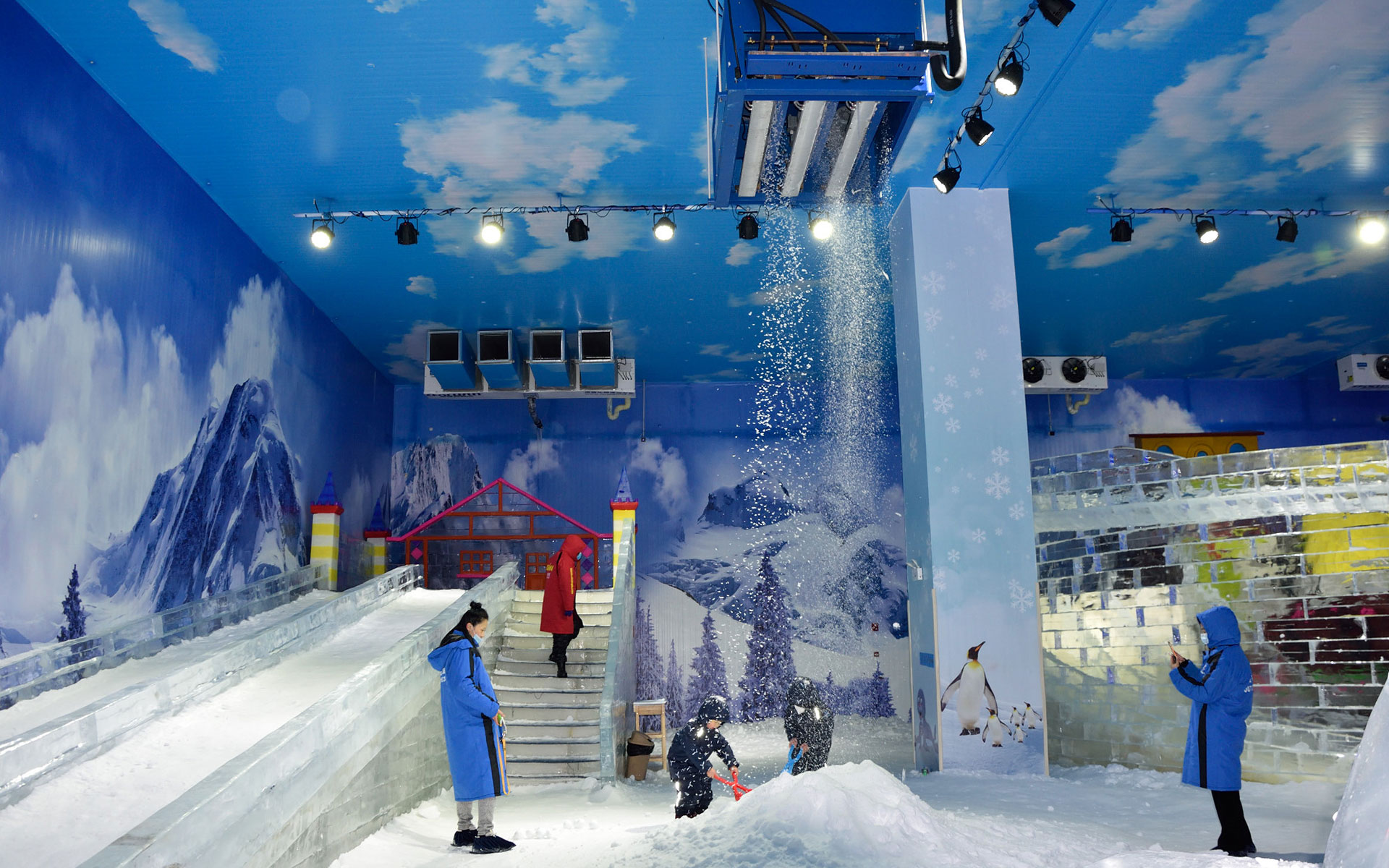
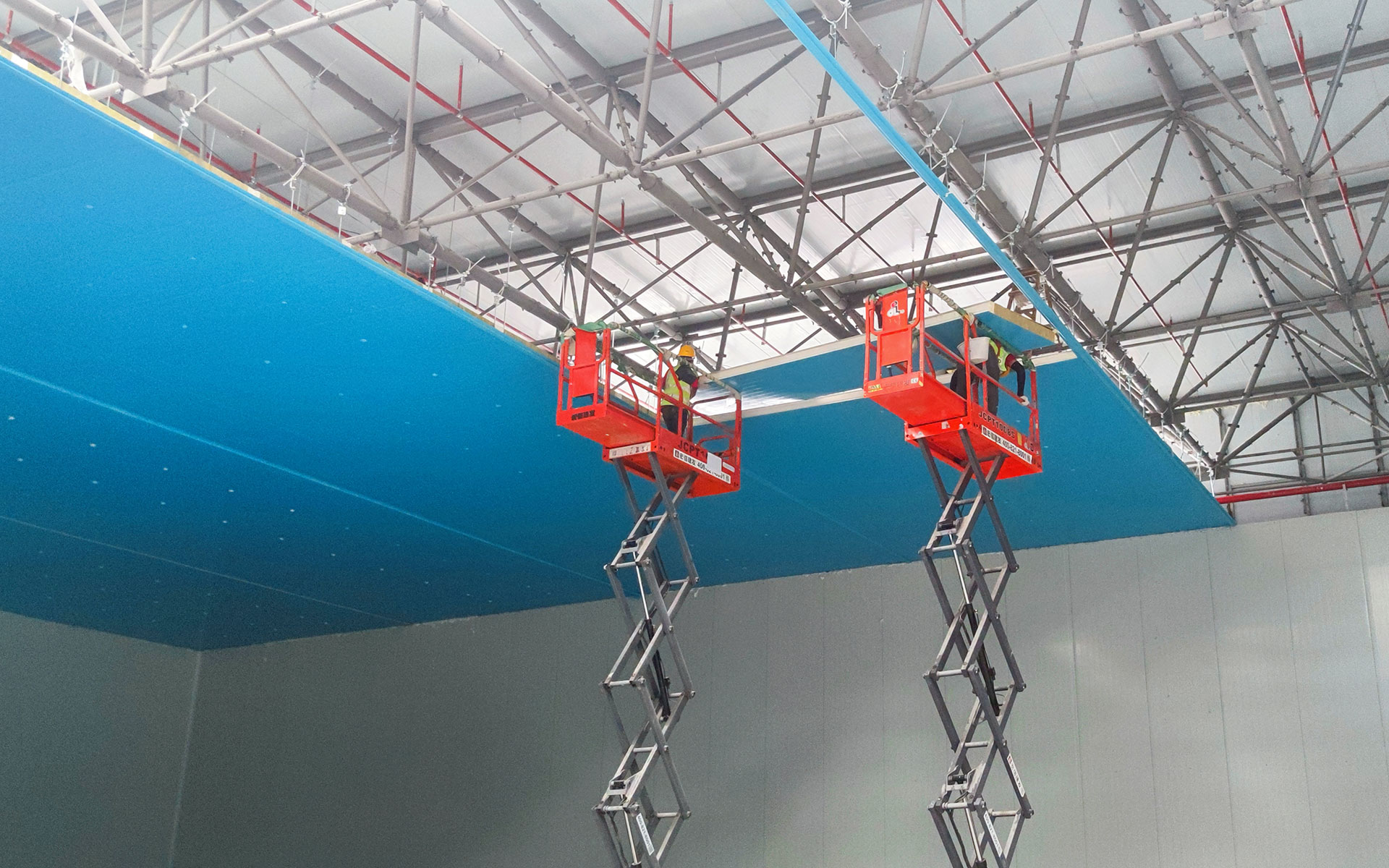
Multi-layer insulation design for snow park structures — spray PU, vapor barriers and thermal-bridge-free connections — stops condensation and cold bridging before they start. The same logic drives snow room insulation engineering for fully enclosed spaces.
Condensing heat recovery and smart temperature control typically cut operating costs by 20-35%, turning waste heat into usable energy instead of throwing it away.
Q: What does refrigeration & insulation design actually determine?
Whether the venue holds a stable temperature efficiently — get it wrong, and you're paying for it in energy costs for years.
Q: How is insulation design for snow park venues different from standard buildings?
It has to hold sub-zero temperatures continuously, so it uses thicker, denser materials and stricter vapor-barrier detailing than typical construction.
Q: What's involved in refrigeration design for ice rink projects specifically?
It focuses on sub-floor cooling load and surface temperature uniformity, which differs from the airspace cooling a ski hall needs.
Q: Can heat recovery really lower operating costs that much?
Yes — condensing heat recovery typically cuts operating costs by 20-35%, since it reuses heat the system would otherwise waste.
Talk to Focusun's engineers about the refrigeration and insulation plan your venue actually needs.

