
Fog on the glass, condensation on the roof, a soft ice surface by afternoon — these are symptoms of the same problem: moisture. Focusun's fresh air system for ice rink and snow park venues strips that moisture out at the source, keeping ice clear, snow dry, and the building itself protected long-term.
Different venues need different levels of dehumidification, and paying for more than you need doesn't make sense. Here's how the three core technologies compare.
The most cost-effective, proven option — it condenses moisture out of the air using standard refrigeration. Compact, low-maintenance, and enough to solve 80% of baseline humidity issues.
Best for humidity control indoor ski park projects and mid-sized rinks with moderate humidity swings and a tighter upfront budget.
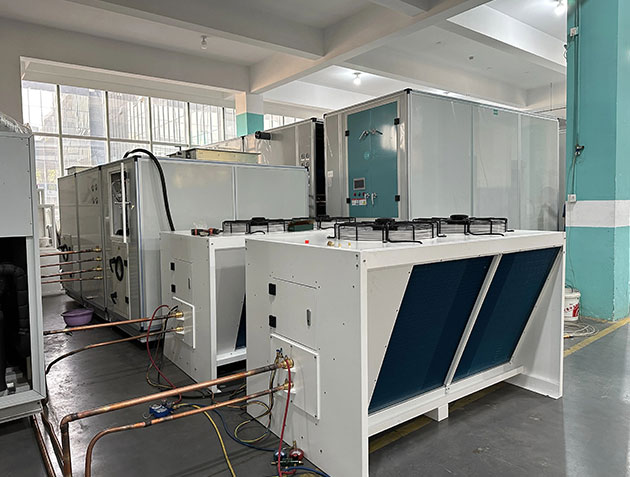
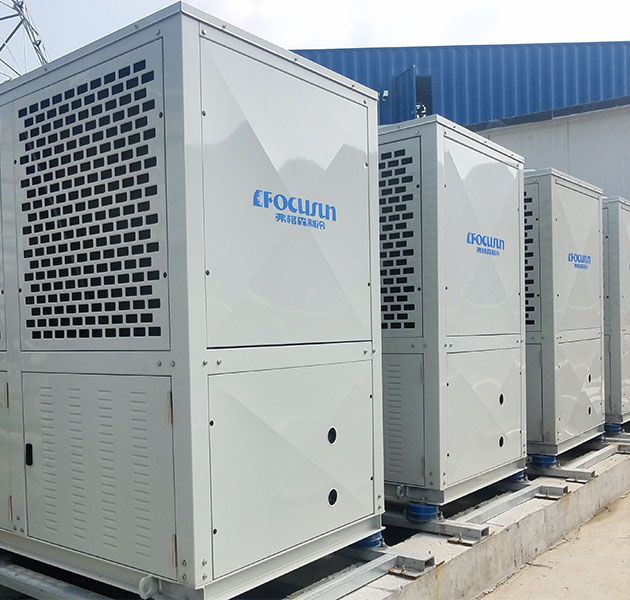

This technology recycles waste heat from your main refrigeration system to regenerate itself, cutting long-term energy costs significantly. It also scrubs and purifies the air as it runs.
Best for large indoor snow parks chasing the lowest possible operating cost, or venues — like training academies — that need genuinely clean air.
When standard equipment starts failing below freezing, this is what keeps working. Silica gel and molecular sieve technology pulls moisture down to an extremely low dew point, even at -20°C.
Best for competition-grade ice hockey arenas, ultra-low-temperature ski venues, and large complexes in humid coastal regions — anywhere fogging and roof condensation simply can't be an option.
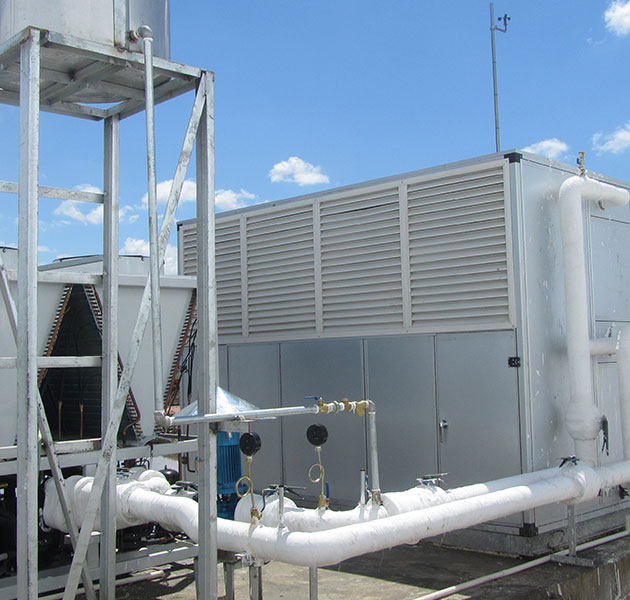
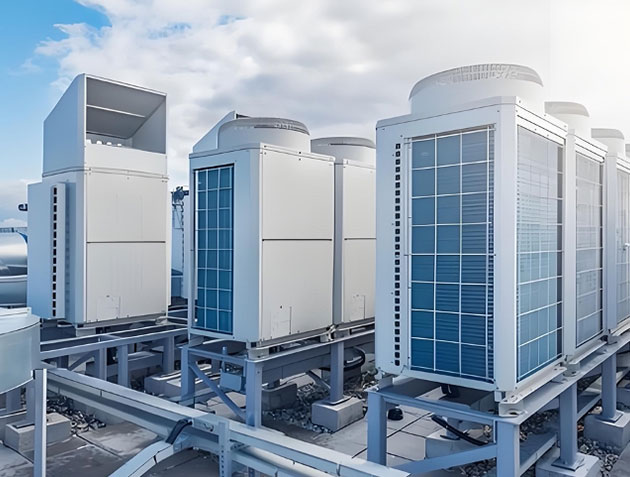
A heat-exchange core recovers residual cold energy from exhaust air before pre-cooling incoming fresh air. That means bringing in outside air doesn't cost you the energy efficiency you just built.
Sensors track CO₂ levels and real-time humidity, automatically adjusting the fresh air ratio. As a fresh air dehumidifier system, it keeps oxygen levels high for visitors while continuously offsetting condensation risk.
Focusun's HVAC engineers can run a venue air diagnostic and recommend the right system for your climate,
venue size and budget.

