

Visitor Flow Design
Crowd simulation and zoning divide the entry buffer, play area and rest zones, cutting peak-hour queuing. Ice bars, retail and photo spots sit naturally along the main path, while fire exits stay fully compliant.

An indoor snow park isn't just refrigeration plus snowmaking — it's temperature control, snow quality and business logic working as one system. Focusun delivers full indoor snow park construction, from engineering through space planning, so investors get a stable, profitable attraction in any climate.
Space utilization and repeat-visit rate are what investors actually care about at the planning stage. Our design team starts with a feasibility study, developing visitor flow and scene design together — not as separate steps.
Snow is the medium, not the destination. Light interaction, ice-carving detail and terrain variation give each project its own identity — this is where indoor snow park design earns its return, not just in the machinery.
Ice bars, workshop classrooms and other add-on revenue zones are planned into the layout from the start, not bolted on after construction. Guest experience and ROI get worked out on paper before anything gets built.
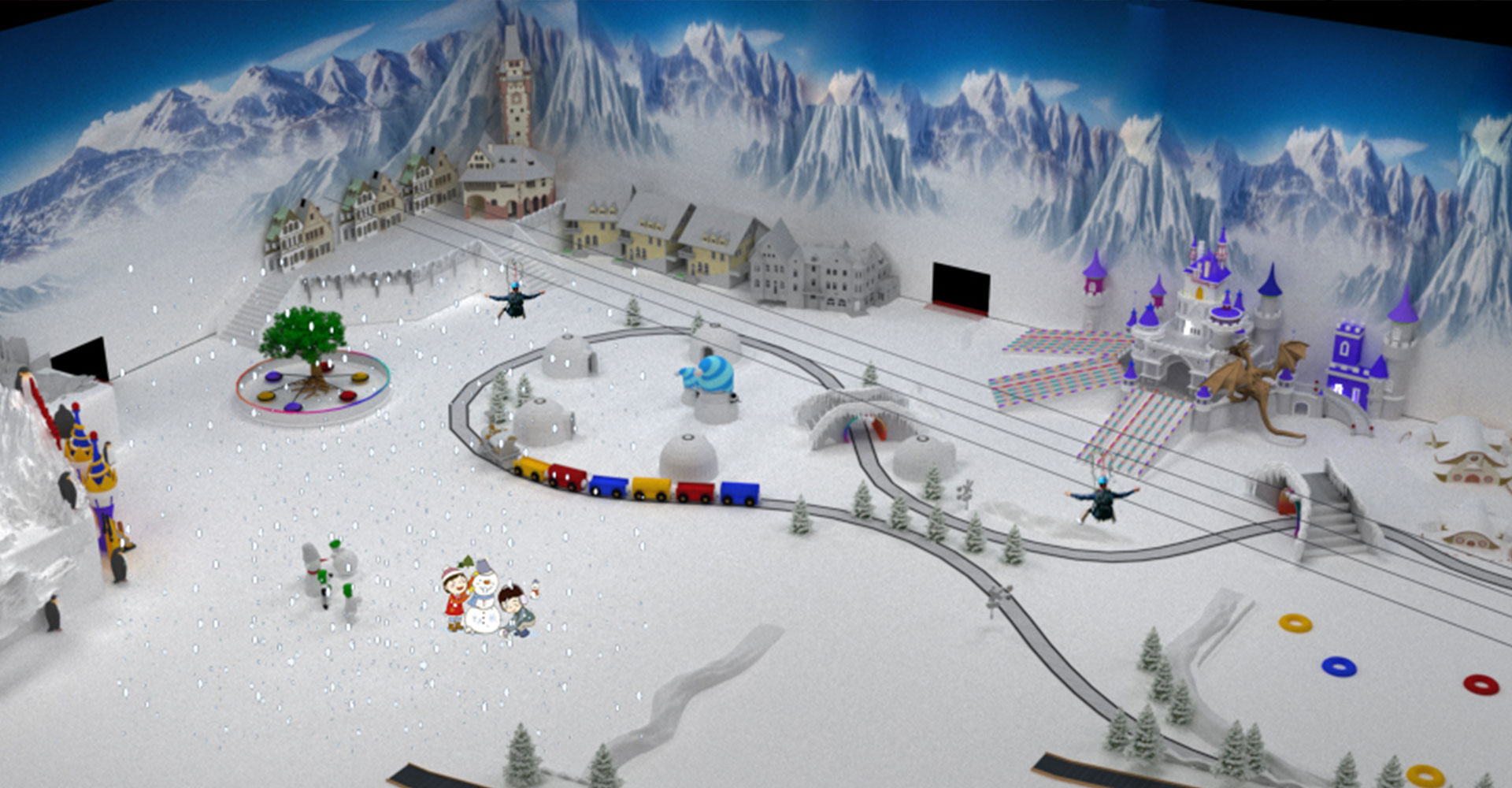
The real competitive edge in a snow park usually sits in details visitors never see. We break decades of engineering experience into four disciplines that determine both experience and operating efficiency.
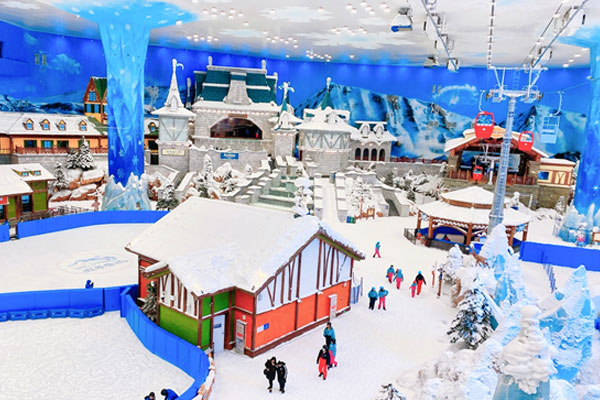
Crowd simulation and zoning divide the entry buffer, play area and rest zones, cutting peak-hour queuing. Ice bars, retail and photo spots sit naturally along the main path, while fire exits stay fully compliant.
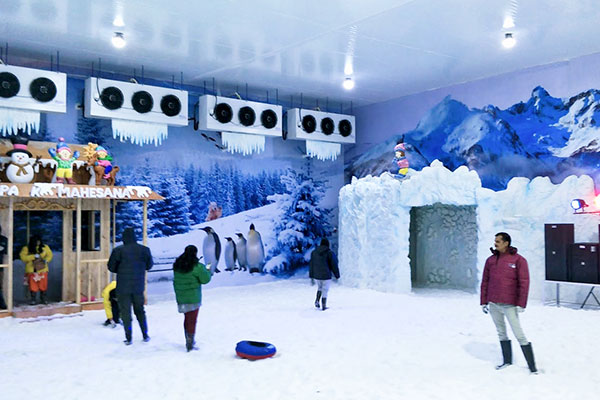
The cost most venues overlook comes from a leaky building shell. Thermal-bridge breaks and air curtains cut energy waste and condensation risk, with tiered cooling so non-snow areas don't frost over.
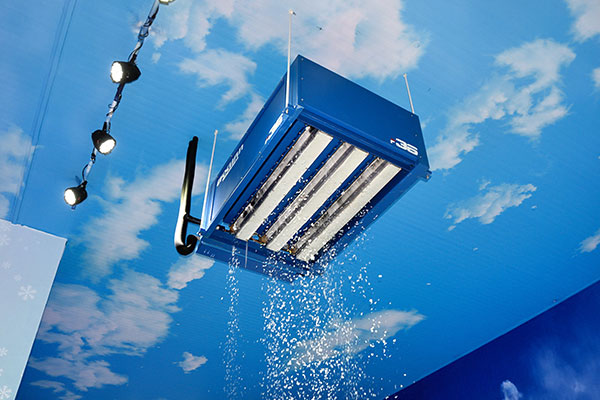
Design Equipment is matched to venue size, climate and planned operating hours, with piping engineered to hold stable snow moisture and temperature. Year-round projects get redundant backup units, cutting downtime risk.
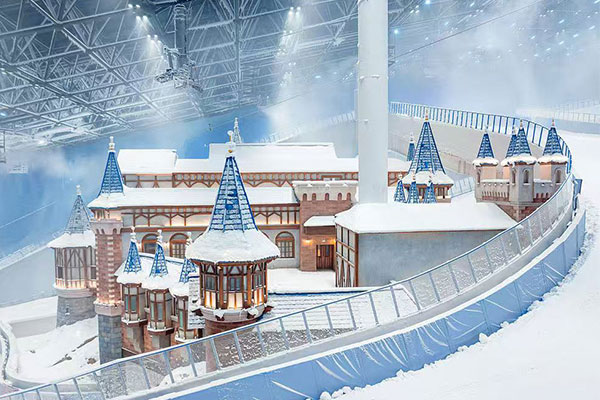
Ice sculptures, walls and light installations are planned alongside structural load and melt-rate calculations, so visual centerpieces stay stable and photogenic all season. Seasonal refresh options keep updates low-cost.
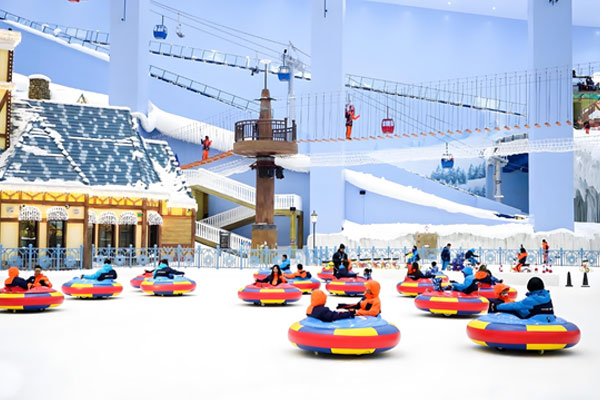
Ice slides, tubing runs and bumper cars are engineered around ceiling height and guest profile — slope angles, buffer zones and load paths included. Friction, guardrails and speed limits keep peak-hour crowds safe.
Q: What's different about indoor snow park construction compared to outdoor?
Indoor snow park construction adds building envelope engineering — insulation, air curtains and zoned cooling — on top of refrigeration and snowmaking, since the venue itself has to hold the cold.
Q: How is the space planned before construction starts?
Our indoor snow park design process starts with a feasibility study covering visitor flow, revenue zones and ice-landscape concepts, before any engineering plans are finalized.
Q: Can Focusun handle a project from concept through opening?
Yes — as a complete indoor snow park solution, we manage design, refrigeration and snowmaking equipment, construction, and operations training under one team.
Q: What determines snow quality once the park is open?
Long-term snow park performance comes down to building insulation and zoned temperature control — the two factors most operators underestimate at the planning stage.
If you're planning an indoor snow world or looking for a more efficient snowmaking supplier, our engineers can provide an initial budget estimate and technical consultation. As a complete indoor snow park solution, we manage everything from concept to opening.